
⚠️ Reading this in Reader mode?
👉 Tap Hide Reader on your mobile browser to explore the full site.
Executive Summary
For those who want the core insights without the scroll
If you’d like to explore the full strategic analysis—including geopolitical breakdowns, collapse scenarios, and India’s response playbook—please jump to the full version here.
Excerpt:
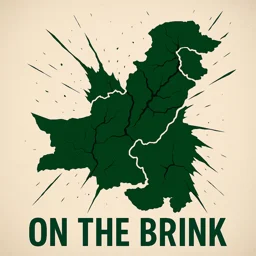
Pakistan’s collapse would not just be a regional event—it could send geopolitical, economic, and nuclear shockwaves worldwide. As India recalibrates after Operation Sindoor, global powers must decide: continue propping up a fragile state, or confront the risks of letting it fall?
Operation Sindoor: A Watershed Moment
India’s recent Operation Sindoor, executed in retaliation for a terrorist attack in Pahalgam, has dramatically altered regional dynamics. The operation, precise and limited in scope, sent a clear message: India will no longer tolerate cross-border terrorism disguised as plausible deniability.
But it also exposed how unprepared and outdated Pakistan’s defense apparatus is in responding to targeted threats—even near sensitive installations. This has caused alarm not only in Islamabad but also among global powers with stakes in the region.
Why Pakistan Still Matters to the World
Despite its persistent dysfunction, Pakistan remains geopolitically relevant because of the risks it presents—not for any successes it can offer.
United States
- Sees geographic value: borders Afghanistan, Iran, India, and China.
- Uses limited cooperation for Taliban monitoring and counter-extremism.
- Greatest fear: loss of control over Pakistan’s nuclear arsenal.
- IMF support driven more by prevention than partnership.
China
- Pakistan is its closest South Asian ally—critical for balancing India.
- Over $60B invested in CPEC for port access and trade.
- Strategic buffer and a major arms export market.
- Uses ties to limit Islamist unrest in Xinjiang.
Qatar, Turkey, Azerbaijan
- Pakistan supports these nations diplomatically and ideologically.
- Al Jazeera often amplifies Pakistan’s narrative (Qatar).
- Turkey provides defense tech and military training.
- All three align in Islamic forums like the OIC.
Russia
- Works with Pakistan to manage Taliban threats.
- Energy cooperation (e.g., Pakistan Stream gas pipeline).
- Uses Pakistan tactically to balance India-U.S. proximity.
UK & European Union
- Deep ties via diaspora and historical legacy.
- Major donors in health and education sectors.
- EU’s GSP+ trade status is an important economic lifeline.
- Engage to prevent radicalization and illegal migration.
Pakistan’s Fault Lines: Fragile from Within
- Economic Collapse: Massive debt, inflation over 30%, elite tax evasion.
- Political Dysfunction: Military dominance, civil-military power struggles, eroded democracy.
- Proxy Blowback: TTP, BLA, ISIS-K attack state infrastructure; army overstretched.
- Ethnic Tensions: Baloch, Pashtun, Sindhi secessionism threatens territorial integrity.
- Nuclear Risk: Global fear of insider threats, theft, or sabotage.
- Environmental Crisis: Water scarcity, climate shocks, failed agriculture.
External Triggers That Could Push Pakistan Over the Edge
- Indian military retaliation or control over Indus River water.
- IMF or Gulf countries withdrawing aid.
- FATF blacklisting or U.S. sanctions.
- China stepping back from CPEC.
- Large-scale natural disaster or terror incident abroad.
Why the West Still Props It Up
- 23 IMF programs since 1958—none with real reform.
- Motivated by fear, not faith—nukes, migration, regional chaos.
- China’s influence via debt traps and strategic leverage also shapes Western caution.
But patience is wearing thin. Recent IMF bailouts come with stricter terms—demands for reform in military spending, taxation, and transparency.
India’s Dilemma: Collapse or Fragmentation?
A full collapse risks:
- Refugee influx in millions
- Uncontrolled terror elements
- Nuclear vulnerability inviting foreign intervention
- Chinese military involvement under “security” guise
A fragmented Pakistan—with Balochistan and KP in revolt, but Punjab and Sindh stable—could be more manageable:
- Reduces terror exports
- Maintains centralized control of nukes
- Distracts Pakistan’s military from Kashmir
- Gives India diplomatic and narrative advantage
Operation Sindoor’s Fallout
The operation revealed major vulnerabilities in Pakistan’s radar systems, response capabilities, and nuclear oversight. Western observers took note. Some support may continue quietly (e.g., upgrading security protocols), but open defense aid is unlikely.
Defanging Pakistan’s nuclear image is increasingly discussed—reducing its perceived credibility rather than trying risky disarmament.
What India Must Do
- Maintain Deterrence: Precision response with legal backing.
- Win the Narrative: Transparent reasoning and global messaging.
- Disrupt Strategically: Support dissident provinces covertly.
- Diplomatic Leverage: Link trade, aid, and promotion strategy, anchoring policy reform or restraint—just not military entanglement.
- Pakistan is China’s closest ally in South Asia, often called an “all-weather friend.” This alliance counters India’s regional dominance and growing ties with the West.
- Belt and Road Initiative (BRI): China has invested over $60 billion in the China-Pakistan Economic Corridor (CPEC), which gives it direct access to the Arabian Sea via Gwadar port. This is vital for China’s energy security and trade bypassing the Strait of Malacca.
- Military & Defense Ties: Pakistan is one of the largest buyers of Chinese arms. The two countries co-develop military hardware (e.g., JF-17 fighter jet), conduct joint drills, and share military intelligence.
- Strategic Buffer Against India: China sees Pakistan as a buffer state that diverts Indian military focus from its eastern border.
- Xinjiang Islamist Concerns: China uses its close ties with Pakistan to prevent Uighur militants from gaining support or training from groups in Pakistan.
- On Uyghurs in China: Over a million Muslims are detained in Chinese re-education camps, yet Pakistan never criticizes China.
- On Refugees: While championing Palestine and Rohingya causes in rhetoric, it has not accepted even symbolic numbers of refugees.
- At Home: Shia Muslims, Ahmadis, and Hazaras are routinely persecuted within Pakistan—with legal sanction in some cases.
- Terror Impacting Muslims: Pakistan’s proxies like LeT and JeM have killed scores of Muslims in India and bombed mosques and religious gatherings.
- OIC Platform Manipulation: Pakistan uses the Organization of Islamic Cooperation to attack India but stays silent on abuses by strategic allies like China and Iran.
- It avoids funding Pakistan’s military
- Carefully balances ties with India, a major energy client
- Limits its support to political alignment and occasional liquidity aid, not deep strategic backing
- United States
- China
- Qatar
- China
- Turkey
- Azerbaijan
- Turkey
- Qatar
- Azerbaijan
- Qatar
- Turkey
- Azerbaijan
- Qatar
- Saudi Arabia
- UAE
- China (indirectly)
- Some Gulf states (symbolically)
- Qatar (e.g., FIFA World Cup)
- Saudi Arabia (historically)
- Qatar
- Turkey
- United States
- China
- Russia
- China
- Turkey
- Russia
- Qatar (via Al Jazeera)
- Turkey
- Sees Pakistan as a nuclear risk to be managed, not a strategic partner.
- Engagement continues primarily to prevent collapse and ensure oversight of nuclear assets.
- Values Pakistan as a strategic asset—a counterweight to India, a conduit to the Arabian Sea via CPEC, and a compliant partner that never criticizes Beijing.
- Leverages Pakistan to promote a pan-Islamic bloc and deepen military-industrial ties.
- Uses Pakistan’s positions on Kashmir and Islamophobia to bolster its own Islamic leadership credentials.
- Gains diplomatic backing and ideological support in its conflict with Armenia.
- Benefits from Pakistan’s alignment with Turkey in military and political matters.
- Maintains low-expectation engagement with Pakistan for energy deals and counterterror coordination.
- Uses Pakistan ties to hedge against India’s growing closeness to the U.S.
- Engages Pakistan primarily for diaspora politics, counter-radicalization, and migration control.
- Manages a legacy relationship from colonial times.
- Views Pakistan as a fragile but unavoidable partner.
- Uses trade incentives (like GSP+) to encourage reform, while guarding against refugee and extremist spillovers.
- Uses Pakistan as a diplomatic and symbolic ally in Islamic forums and for media amplification on Muslim issues like Kashmir.
- Relies on Pakistani labor and occasionally offers liquidity support, but avoids deep entanglements.
- Nature of Risk: Severe macroeconomic imbalance
- Details:
- Chronic fiscal deficits, low exports, dwindling foreign exchange reserves
- Heavy dependence on IMF bailouts and foreign loans (China, Gulf states), not investment; and on remittances, not productivity
- Rupee devaluation and unsustainable external debt
- Soaring inflation above 30%, especially food and fuel prices
- Elite segments—including the military and landed aristocracy—refuse to be taxed
- Impact: Mass unemployment, social unrest, erosion of state capacity
- Nature of Risk: Governance vacuum and civil-military tensions
- Details:
- Prolonged power struggle between the army and civilian political leaders
- Former PM Imran Khan’s mass popularity vs. army-backed coalitions
- Use of judiciary and police for political vendettas
- Credibility of democratic institutions severely eroded
- Impact: Weak governance, violent protests, and legitimacy crisis
- Nature of Risk: Re-emergence of militant networks
- Details:
- Tehrik-e-Taliban Pakistan (TTP) resurgence in Khyber Pakhtunkhwa and tribal areas
- Baloch insurgency growing in sophistication and scale
- Sectarian groups like Lashkar-e-Jhangvi and Sipah-e-Sahaba remain active
- Blowback from supporting jihadist elements for decades
- Impact: Army overstretched, rising civilian casualties, fear-driven migration
- Nature of Risk: Federative strain and secessionist sentiments
- Details:
- Balochistan: Long-standing calls for independence or greater autonomy
- Sindh and Pashtun regions show increasing alienation from Islamabad
- Mohajir nationalism in urban Sindh (Karachi)
- Impact: Threat to Pakistan’s territorial integrity, civil war potential
- Nature of Risk: Strategic asset in a volatile state
- Details:
- Concerns over command and control reliability amid internal chaos
- Potential vulnerability to rogue elements or foreign sabotage
- Western fears of nuclear theft or unauthorized use
- Impact: Global panic, military intervention risk, pariah-state status
- Nature of Risk: Environmental and agrarian crisis
- Details:
- Heavy dependence on Indus Basin, rapidly declining groundwater
- Mismanaged dams and poor water-sharing with India
- Prone to extreme flooding and drought (as seen in 2022 floods)
- Impact: Mass displacement, food insecurity, rural unrest
- Nature of Risk: Economic sovereignty erosion
- Details:
- CPEC loans and projects benefit China disproportionately
- Local populations see few jobs or infrastructure dividends
- Resentment in Balochistan against Chinese presence
- Impact: Anti-China insurgency, default on Chinese loans, strained ties
- Nature of Risk: Loss of leverage and international goodwill
- Details:
- FATF scrutiny over terror financing
- Deteriorating ties with key Gulf allies and the West
- Overdependence on China and Turkey with limited returns
- Impact: Decline in foreign aid, loss of international legitimacy
- Foundation of all other stability
- Collapse causes cascading effects—mass unrest, loan defaults, institutional paralysis
- Weak governance, civil-military conflict, and eroding legitimacy prevent reform or crisis response
- Deepens all other risks
- Directly threatens civilian life, foreign investment, and confidence in the state’s monopoly on violence
- A fragmented federation would shatter Pakistan’s territorial integrity and trigger civil war-like scenarios
- Low probability of misuse, but consequences of a breach or rogue action would be globally catastrophic
- Could invite external action
- A slow-burn crisis, but likely to become irreversible
- Drives food insecurity, migration, and future conflict
- Important but localized
- Impacts long-term economic sovereignty more than immediate stability
- Weakens foreign aid, trade, and legitimacy
- Still leaves bilateral fallback options (e.g., China, Turkey) for survival
- Mechanism: Defense spending skyrockets; panic in markets; foreign capital exits; trade stops; IMF focus shifts to war risk
- Likelihood: Medium
- Severity: Very High
- Mechanism: Agricultural collapse; food shortages; rural unrest; increased power deficit (due to less hydro capacity)
- Likelihood: Low–Medium
- Severity: High
- Mechanism: Banking system cut off from SWIFT; no access to dollar markets; trade halts; foreign reserves freeze
- Likelihood: Low
- Severity: Very High
- Mechanism: Triggers diplomatic backlash, sanctions, cuts in aid/loans, capital flight; reputational crash
- Likelihood: Medium
- Severity: High
- Mechanism: Infrastructure loss; GDP contraction; emergency imports drain reserves; humanitarian crisis strains resources
- Likelihood: High
- Severity: Medium–High
- Mechanism: Loss of billions in remittance inflows; currency falls; social unrest from jobless returnees; BoP worsens
- Likelihood: Medium
- Severity: High
- Mechanism: Debt refinancing risk; project freeze; job losses; no backup investment source; signals to IMF/west of failure
- Likelihood: Medium
- Severity: Moderate
- Mechanism: Disruption in energy flow; refugee influx; loss of trade; Iranian sanctions spillover
- Likelihood: Low
- Severity: Moderate
- Mechanism: Trade paralysis; supply chain disruption; no access to oil imports; export collapse
- Likelihood: Very Low
- Severity: Catastrophic
- Mechanism: Loss of all major lifelines; free fall of rupee; bond default; energy blackout due to fuel import failure
- Likelihood: Low
- Severity: Very High
- Indian military action or water disruption
- Naval blockade or LoC escalation
- Taliban-Pakistan border conflict fallout
- FATF blacklisting
- Western sanctions over terror links or nuclear issues
- Freezing of foreign currency reserves (like what happened to Russia)
- Gulf country labor expulsions
- China suspending or reversing CPEC investments
- Port access restrictions due to war or sanctions
- Catastrophic floods (like 2022)
- Widespread droughts
- Locust invasions
- Rogue use or loss of control over nuclear material
- Sudden regime collapse leading to capital flight
- Simultaneous economic + security + diplomatic breakdown
- Sovereign default
- Hyperinflation
- Institutional collapse
- Mass migration or famine
- Loss of territorial control
- Pakistan has had 23 IMF programs since 1958—the highest number for any country.
- These programs follow a cycle of bailouts without reforms, typically aimed at:
- Plugging short-term balance of payments crises
- Preventing sovereign default
- Stabilizing currency and inflation—not long-term growth
- Structural reforms have consistently failed due to:
- Political resistance
- Military control of the economy
- Elite capture
- Geo-strategic location → Proximity to Afghanistan, China, India, and Iran makes collapse unacceptable to the US, China, and regional players
- Nuclear status → Pakistan is a nuclear power. A collapse raises fears of proliferation or extremist access
- Containment of China (US angle) → The US wants to prevent Pakistan from falling fully into China’s economic orbit
- Prevent refugee/migrant crisis → EU and Gulf states worry about millions of migrants if Pakistan collapses
- Fear of regional chaos → An unstable Pakistan risks destabilizing Afghanistan, India, and parts of Central Asia
- IMF fatigue is real. The Fund is now demanding tougher conditionalities:
- Cut military-controlled SOEs
- Broaden tax base beyond the salaried class
- Slash energy subsidies and raise fuel prices
- The US (via IMF) is reluctant to write blank checks while Pakistan:
- Avoids taxing its elites
- Keeps bloated military budgets
- Gives economic space to China (via CPEC)
- Private lenders (Eurobonds, Sukuk) have already priced Pakistan as near-default.
- IMF packages now are:
- Shorter
- Cautious
- Tranche-based
- Reviewed on concrete action, not promises
- Short-term bailouts continue → High → IMF may keep funding in small doses to prevent default, but without long-term commitment
- Major bailout blocked or delayed → Medium → IMF could pause if reforms stall, forcing Pakistan to turn to China or Saudi for interim help
- Geopolitical collapse response → Low (but rising) → If economic, political, and terror risks spike simultaneously, the West may coordinate rescue with stricter oversight
- Total rejection of reforms or IMF review walkout
- Escalating military dominance of the economy (e.g., further SOE takeovers)
- Proof of misuse or diversion of funds
- Massive Chinese refinancing crowding out IMF terms
- A “black swan” event: nuclear scare, terror export, or regime collapse
- The IMF will not let Pakistan collapse easily—but it won’t rescue it unconditionally either.
- Pakistan is not “too big to fail” economically, but it is too dangerous to fail geopolitically.
- This keeps a fragile support system in place—but only as long as Pakistan doesn’t cross strategic red lines (like harboring international terror groups or violating nuclear norms).
- The U.S. seeks command visibility
- China wants regional access, not responsibility
- The EU wants stability without deeper entanglement
- Genesis: Pakistan’s nuclear doctrine is explicitly India-centric. It developed nuclear weapons after India’s 1974 and 1998 tests.
- Purpose: To neutralize India’s conventional military superiority and prevent an Indian invasion in the event of conflict (e.g., after terror attacks like Mumbai or Pulwama).
- Tactical Nukes: Pakistan has developed battlefield nuclear weapons (e.g., Nasr missile) to deter Indian tank thrusts under its Cold Start Doctrine.
- Post-2001 Thinking: After the U.S. invasions of Iraq and Afghanistan, Pakistani generals began viewing nuclear weapons as regime insurance—not just against India, but also against Western military intervention.
- Pakistan fears:
- U.S. special ops targeting nuclear sites
- “Libya-style” denuclearization
- Israeli-style precision strikes (as on Osirak or Syria’s reactor)
- A nuclear balance, however unstable, prevents full war escalation—especially post-Kargil and post-Mumbai.
- The West sees Pakistan’s nukes as a brake on Indian retaliation, particularly when India faces domestic pressure after terror attacks.
- The West tolerates nukes as long as they stay in control of the army, not jihadist factions.
- The biggest Western fear: a failed Pakistani state with loose nukes.
- Safer to keep the army intact (even if problematic) than risk nuclear chaos.
- There’s an unstated preference in Western strategic circles to not let Pakistan fall completely into China’s orbit.
- Allowing Pakistan some nuclear prestige creates leverage, discouraging it from becoming a Chinese proxy base.
- Liberal democracy
- Counterterrorism
- Global peace
- Prop up a military–theocratic–feudal state
- Provide cover for proxy war through terrorism while deterring retaliation
- Enable China’s access to the Arabian Sea via CPEC—by scaring away competitors
- Because disarming Pakistan is too risky
- Because collapsing Pakistan is even riskier
- Because confronting Pakistan might provoke the very chaos they fear
- Pakistan’s nukes are meant to deter India first, and Western pressure second.
- The West tolerates them not because they are useful, but because trying to neutralize them may cause a bigger fire.
- The real deterrent is against state failure and strategic panic, not ideology.
- Poor perimeter security
- Possible insider threats from extremist infiltration
- Weak fail-safe protocols under duress
- Overdependence on assumptions that the Pakistan Army could guard nuclear assets during multi-front crises
- Radar systems, aircraft, and missile defenses failed to respond adequately
- U.S. Strategic Command and Energy Departments
- UK’s MI6 and France’s nuclear monitoring circles
- Non-proliferation think tanks (e.g., NTI, Carnegie)
- No one wants to engage in direct confrontation with India:
- India is a strategic partner to the U.S., UK, and France
- Operation Sindoor’s precision and restraint gave Western governments diplomatic cover to stay neutral
- Upgrade perimeter defense systems
- Introduce biometrics and personnel tracking at nuclear sites
- Provide satellite-based intrusion warning tech
- Political risk in Western domestic politics
- Long-term doubts about Pakistan’s reliability
- Incompatibility with current Indo-Pacific alignment against China
- Reducing its nuclear status, credibility, or capability
- Shifting it from a threatening regional player to a contained, closely monitored state
- Likelihood: High
- The West may stop treating Pakistan as a “credible nuclear peer” of India
- May avoid referencing Pakistan’s nukes in bilateral or multilateral forums
- Likelihood: Medium–High
- Security and defense aid may be tied to:
- Reforms in nuclear command structure
- Greater transparency of military procurement and planning
- Independent oversight of military budgets
- Likelihood: Medium
- IMF and World Bank may make nuclear-related reforms indirectly conditional:
- Demilitarize civil infrastructure
- Cut defense-linked subsidies
- Enforce civilian control over nuclear-linked logistics
- Likelihood: Low
- Pakistan’s military will never accept external supervision or rollback
- Nukes are core to GHQ’s identity, and seen as untouchable
- A joint international effort (perhaps even under UN mandate) to neutralize, contain, or internationally monitor Pakistan’s nukes may no longer be off the table.
- Massive breach at a nuclear site
- Rogue missile launch attempt or leakage of fissile material
- Foreign intelligence proof of terror-nuclear links
- Coup or military breakdown where chain-of-command disintegrates
- The West is alarmed, but will act pragmatically and quietly, not overtly
- They will not back Pakistan against India, and certainly won’t risk military escalation over nuclear credibility
- Any help to Pakistan’s nuclear security will remain discreet and tightly limited
- Diplomatic irrelevance
- Strategic containment
- Slow erosion of prestige and capability, rather than outright dismantling
- Hyperinflation
- Food and fuel shortages
- Mass unemployment
- Civil unrest
- Trade disruption
- Refugee influx into India and Iran
- Growth of black-market networks in Afghanistan
- Panic repatriation of Gulf labor
- IMF alarm and last-minute rescue attempts
- China exposed to debt default on CPEC
- UN and humanitarian agencies scramble to respond
- Army factions and warlordism
- Karachi and Balochistan becoming ungovernable
- High-profile assassinations
- Line of Control (LOC) instability
- Militant raids across Afghan and Indian borders
- Iran tightens border security
- U.S. loses oversight of nukes
- Surge in asylum seekers to UK and EU
- Western intelligence panic over “loose nukes”
- Loss of control in KP, Balochistan
- Suicide attacks and bombings in major cities
- Kashmir sees new infiltration
- Afghan Taliban reluctantly drawn into regional terror
- Iran suffers cross-border Sunni terrorism
- FATF blacklisting resumes
- Airlines and corporations exit Pakistan
- U.S. restarts drone and covert surveillance missions
- Rogue generals or command breakdown
- Panic within the Strategic Plans Division
- India goes on full nuclear alert
- Preemptive Israeli or American surveillance begins
- NATO weighs contingency planning
- UN Security Council calls for emergency inspections
- Global stock markets react to instability
- Sindh, KP, Balochistan push for autonomy or secession
- Rise of ethnic militias
- Baloch militants cross into Iran
- India accused of “interference” by Islamabad
- China loses Gwadar access
- UN debates peacekeeping deployment
- Gulf states reassess investments
- Crop failures in Punjab and Sindh
- Water riots in Karachi
- Mass rural-urban migration
- India accused of water aggression
- Treaty breakdowns over Indus Water Treaty
- Regional dust storms and environmental stress
- Western climate aid packages activated
- FAO, World Bank rush food support
- Forex reserve collapse
- Social unrest due to jobless returnees
- Migration shifts toward India and Iran
- Border tensions rise due to movement of people
- Gulf states blame Pakistan for internal radicalism
- IMF notes worsening debt indicators
- Dollar crisis
- Banking system freeze
- Medical, fuel, and wheat import paralysis
- Black markets along India and Afghanistan borders explode
- India fully blocks trade routes
- China unable to step in without backlash
- West accelerates asset seizure and defanging steps
- National panic
- Martial law declaration
- Loss of elite morale and public faith
- Escalation along border
- Pakistan retaliates via proxies
- Iran urges restraint to avoid wider war
- Emergency UN Security Council session
- Western nations evacuate citizens
- U.S. and others mediate urgent ceasefire
- Loss of jobs and infrastructure investment
- Elite corruption exposed
- Capital inflow dries up
- Baloch insurgents target Chinese assets
- Iran sees port competition window
- India claims strategic vindication
- China reassesses BRI blueprint globally
- Pakistan loses future development pipeline
- Nuclear safety is the single most destabilizing external concern—not due to likely use, but fear of loss of control.
- India will bear the heaviest regional burden: refugees, terror spillover, water tensions, and military alert.
- The West fears prolonged chaos, not regime change—it seeks stability and containment, not transformation.
- China’s BRI flank could unravel if Pakistan collapses or fragments—especially in Balochistan.
- Gulf countries will suffer both financial exposure and radicalization risk if collapse is unmanaged.
- Army holds Islamabad and Punjab
- Militias control Karachi and parts of Sindh
- Islamists dominate KP and tribal areas
- Baloch guerrillas battle over Gwadar and borders
- Indian strikes penetrated deep into Pakistani territory
- No effective response from Pakistan’s military
- Radar systems, air defenses, and command response failed
- May supply drones, radar systems, or aircraft upgrades
- Demands strict compliance, especially in CPEC zones
- Seeks influence, not long-term responsibility
- Will avoid deep entanglement if collapse appears inevitable
- May offer limited financial help or loans
- Avoids getting involved in Pakistan’s military doctrines
- Focuses more on labor ties and ideological alignment
- Might extend monitoring help to nuclear sites
- Won’t fund or equip Pakistan’s offensive military
- Limits engagement to counterterror cooperation
- Remains focused on India as a strategic partner
- Can provide training, tactical drones, or integration support
- Lacks money to rebuild Pakistan’s larger military architecture
- Seeks symbolic alignment more than transformation
- Pakistan cannot afford to rebuild itself
- No global power wants to be seen bankrolling terror-linked forces
- The world’s appetite to support Pakistan’s military has eroded significantly
- Use diplomacy and intel sharing to block military shipments
- Expose middlemen and vendors supplying Pakistan’s defense deals
- Use covert tools—cyberattacks, sabotage, and disruption
- Target weapon storage, fuel supply chains, and C4I systems
- Publicize military rebuilding efforts
- Mobilize Western and Gulf opinion against arms flows into Pakistan
- Keep CPEC infrastructure and major military bases under credible threat
- Force insurance premiums to rise, and foreign contractors to exit
- Block funding avenues
- Expose double standards
- Shape the narrative that Pakistan’s military is not a solution—but a part of the problem
- The humiliation of Operation Sindoor,
- Global economic pressure,
- The need to preserve face domestically, and
- The imperative to retain its proxy warfare capabilities.
- The shock of Operation Sindoor revealed serious security lapses and military vulnerabilities.
- Pakistan’s allies—China, the Gulf states, and the IMF—may be quietly pressuring it to de-escalate.
- Its economic situation is untenable; another Indian strike could be fatal.
- The army may calculate that buying time is better than provoking another blow.
- The ISI could quietly rein in terror outfits like Lashkar-e-Taiba and Jaish-e-Mohammed operating out of Punjab and PoK.
- Kashmir-related rhetoric would be toned down, particularly in global forums like the UN and OIC.
- Pakistan would use any demonstrable anti-terror action to:
- Lobby the EU for trade benefits (like GSP+),
- Reopen negotiations on the Indus Waters Treaty,
- Gain international legitimacy at forums like FATF and the UN.
- The world may perceive Pakistan as becoming “moderate” again.
- India would get some breathing space.
- But the infrastructure for future proxy conflict could remain intact, merely hidden.
- The army may fear losing its grip on internal legitimacy if it appears too conciliatory.
- Populist voices, radical clergy, and Imran Khan–style nationalists could pressure GHQ to act “boldly.”
- Pakistan might calculate that nuclear deterrence will hold India back from future strikes.
- The fear of international panic over escalation may be used as a shield.
- Rhetoric would escalate: narratives of “genocide in Kashmir,” “Indian aggression,” and “false-flag operations” could dominate Pakistani discourse.
- Proxy terror activity might continue through:
- Splinter factions,
- Local operatives within Kashmir,
- Cross-border incursions with plausible deniability.
- Pakistan would portray any Indian retaliation as “disproportionate,” aiming to:
- Attract Western mediation,
- Generate sympathy in the Islamic world,
- Reignite interest in the Kashmir dispute globally.
- This approach could seriously backfire if India retaliates again with increased intensity.
- Pakistan risks losing what little support remains from Gulf countries and even China if it triggers larger conflict or global condemnation.
- Internally, this strategy may accelerate Pakistan’s political and territorial unraveling.
- It will appear to take action against some terror networks.
- Others will be protected or kept in reserve for future use.
- Official rhetoric will soften temporarily.
- Provocations may resume in lower-key, deniable formats.
- In Public:
- Pakistan dials down inflammatory rhetoric.
- It courts Western and UN diplomats.
- It showcases token counterterror actions.
- In Private:
- Terror infrastructure is preserved in standby mode.
- Deniable attacks may test India’s threshold.
- Strategic assets are quietly repositioned, not dismantled.
- A second or third Operation Sindoor, this time targeting symbolic, nuclear, or infrastructure-linked targets.
- A China ultimatum warning that further provocations will lead to economic disengagement.
- A total economic collapse, with IMF and Gulf assistance made contingent on verifiable rollback of military-linked terror support.
- An internal backlash by an exhausted population—angry at economic ruin, global humiliation, and endless war.
- A short-term reduction in attacks and rhetoric,
- Followed by a resurgence of covert hostilities when global attention fades.
- India’s military readiness,
- Narrative dominance on the international stage,
- Strategic containment, and
- Scenario-based long-term planning.
- Rapid in execution,
- Justified in international forums, and
- Precise enough to avoid escalation while inflicting decisive cost.
- Secure all border regions, especially Rajasthan, Punjab, and Gujarat.
- Set up refugee containment corridors and relief staging points in case of a humanitarian surge from Sindh or Balochistan.
- Establish inter-agency frameworks for internal law and order, especially in border states vulnerable to arms smuggling or radical infiltration.
- Maintain operational readiness for limited but high-impact retaliatory strikes, including on terror training camps, key communication hubs, and covert logistics bases.
- Develop and demonstrate ability to target Pakistan’s military C4I (Command, Control, Communications, Computers, and Intelligence — a military term denoting an integrated system that allows armed forces to coordinate operations effectively and with real-time situational awareness)
infrastructure without collateral civilian fallout. - Strengthen cyber warfare units and electronic surveillance to anticipate provocations and deliver pre-emptive neutralization.
- Build a strong strategic communication team that pushes India’s moral high ground in real time—especially in the UN, EU, OIC, and G20 forums.
- Use satellite imagery, signal intercepts, and social media mapping to document the rationale behind Indian military actions.
- Establish direct engagement channels with Western think tanks, Gulf media, and civil society actors to reinforce the narrative of India as a responsible actor managing a failing nuclear state next door.
- Track and support non-violent resistance movements in Balochistan, KP, and Gilgit–Baltistan through diplomatic backchannels and humanitarian engagement.
- Cultivate regional influencers, journalists, and academics to highlight sub-national aspirations suppressed by the Pakistani state.
- Avoid overt involvement—indirect, deniable engagement is more sustainable and less diplomatically risky.
- Avoiding overreach that might trigger international backlash,
- Pre-empting Chinese opportunism in post-collapse zones like Gwadar and PoK,
- Keeping Western allies aligned by maintaining transparency and strategic restraint,
- Using economic leverage to isolate Pakistan without appearing aggressive.
- Maximize Indus Waters Treaty (IWT) leverage
- Sever all trade, travel, and cultural exchanges
- Target seaport and airport credibility
- Clearly explain the legal and moral basis for any retaliatory or preventive actions.
- Pre-announce red lines and escalation protocols—this forces global actors to acknowledge Pakistan’s culpability when India acts.
- Use satellite imagery, cyber-leaks, and social media monitoring to provide real-time evidence of:
- Terror infrastructure,
- Military duplicity,
- Human rights abuses in Balochistan, PoK, and Sindh.
- European Union capitals,
- U.S. think tanks,
- Gulf news networks,
- African and ASEAN forums where Pakistan still courts support.
- Link bilateral access to Indian markets with how countries conduct themselves on India-Pakistan matters.
- Quietly indicate to Gulf nations and ASEAN states that tacit or vocal support for Pakistan’s actions will have trade and investment consequences.
- Expose duplicity at multilateral platforms
- Call out Pakistan’s terror ties at FATF, UNHRC, and OIC with hard evidence.
- Use Indian diaspora to amplify this messaging across Europe, North America, and the Gulf.
- Build a like-minded coalition of states and analysts to frame Pakistan as a failing terror-exporting regime rather than a victimized state.
- Coordinate talking points with France, UAE, Israel, and Bangladesh where there is convergence of interest.
- Disrupt procurement networks and logistics
- Target arms routes via Iran and Central Asia.
- Use cyber infiltration to delay or sabotage military payrolls and hardware imports.
- Support resistance movements indirectly
- Baloch, Sindhi, and Pashtun movements can be spotlighted through think tanks, humanitarian funding, and international legal aid networks.
- Even moral support, offered consistently, helps delegitimize Pakistan’s internal suppression.
- Undermine military credibility via information warfare
- Leak details about corruption, internal rifts, or China’s exploitation of military bases.
- Use psychological operations to foster distrust within ranks and between military and civilians.
- Staying alert to turning points (e.g., power struggles, IMF rejections, public uprisings),
- Accelerating fractures when safe to do so,
- And preventing external bailouts from stabilizing a regime that remains hostile.
Full Version: Deep-Dive Strategic Analysis
The following is the complete, unabridged version of this post. It includes expanded insights into Pakistan’s internal fault lines, international dependencies, and the strategic recalibrations following Operation Sindoor.
Pakistan’s Global Relevance: The Stakeholders and Their Stakes
Despite its chronic dysfunction, Pakistan remains geopolitically significant to many world powers—not because of its performance or potential, but because of the risks it carries and the crises it can trigger. From nuclear fears to religious extremism, and from China’s economic ambitions to America’s Afghan hangover, Pakistan continues to be a country the world cannot trust, yet cannot ignore.
United States: Containment Through Caution
The U.S. doesn’t consider Pakistan a reliable ally. However, it sees value in its geography—bordering Afghanistan, Iran, India, and China. After withdrawing from Afghanistan, the U.S. still depends on limited Pakistani cooperation to monitor Taliban movements and counter extremist threats. Its deeper concern lies in Pakistan’s nuclear arsenal: Washington fears not a war with India, but a loss of control over those weapons in the event of a collapse. This fear drives limited engagement and recurring IMF support.
China: Strategic Depth and Maritime Dreams
a. Strategic Partnership:
Pakistan’s Religious Hypocrisy: A Pattern Worth Noticing
While Pakistan claims to champion global Muslim causes, its selective outrage reveals a self-serving pattern:
This pattern makes it clear: Pakistan uses religion as a tool of foreign policy—not as a matter of principle.
Turkey and Azerbaijan: Brotherhood and Blocs
a. Shared Islamic identity & Political solidarity
Turkey and Pakistan enjoy strong cultural, religious, and ideological ties, especially under the leadership of Erdogan and Pakistan’s Islamic-leaning governments.
b. Military and Defense Cooperation:
Turkey provides military training to Pakistani officers, and there are ongoing joint ventures in shipbuilding, drones, and defense electronics.
c. Geopolitical Alignment:
Both countries often support each other on international forums like the OIC (Organization of Islamic Cooperation), including over Kashmir and Palestine.
d. Strategic Balancing:
Turkey sees Pakistan as a partner in its outreach to the Muslim world, especially as a counterweight to Arab Gulf dominance.
a. Military and Diplomatic Support:
Pakistan was among the first countries to support Azerbaijan in the Nagorno-Karabakh conflict against Armenia. In return, Azerbaijan backs Pakistan on Kashmir.
b. Muslim Solidarity:
The three countries — Turkey, Pakistan, and Azerbaijan — are engaging in trilateral dialogues to build an Islamic geopolitical bloc.
c. Military Technology:
Azerbaijan has shown interest in procuring Pakistani-made arms and receiving training from Pakistan’s military institutions.
These three form a new bloc of non-Arab Muslim states asserting global Muslim leadership beyond traditional Arab powers.
Qatar: Tactical Diplomatic Ally and Media Amplifier
Qatar maintains a quiet but calculated relationship with Pakistan, driven by a mix of diplomacy, labor dynamics, and regional balancing. It hosts a large population of Pakistani workers, making remittances a stabilizing link. Additionally, Al Jazeera’s editorial line often reflects Qatar’s sympathetic posture toward Pakistan’s narratives, especially on Kashmir. However, Qatar is also cautious:
Qatar treats Pakistan more as a symbolic partner in Islamic diplomacy than a strategic pillar.
Russia: Tactical Rebalancing
a. Shifting Diplomacy:
Though historically pro-India, Russia has warmed up to Pakistan in the past decade due to changing global alignments and the need to diversify its regional partnerships.
b. Afghan Stability:
Pakistan’s influence on the Taliban is key to Russia’s interest in curbing Islamist radicalism in Central Asia and preventing spillover into its Muslim-majority provinces.
c. Defense Sales and Energy Interests:
Russia has sold helicopters to Pakistan and is exploring energy cooperation (e.g., the Pakistan Stream gas pipeline).
d. Strategic Balancing:
Russia uses its growing ties with Pakistan to signal displeasure to India when New Delhi aligns too closely with the U.S.
United Kingdom and EU: Diaspora and Containment
a. Historical Ties:
As a former colonial power, the UK retains deep institutional and diaspora-based connections with Pakistan.
b. Large Pakistani Diaspora:
Nearly 1.5 million people of Pakistani origin live in the UK. This community plays a significant role in British politics, business, and society.
c. Counterterrorism Cooperation:
Due to radicalization concerns among certain diaspora segments, the UK works closely with Pakistan’s intelligence agencies to monitor and mitigate risks.
d. Development and Aid:
The UK is a significant provider of foreign aid to Pakistan, especially in education and health sectors.
e. Trade and Investment:
Post-Brexit, the UK has been seeking trade deals with Commonwealth countries, including Pakistan.
a. Trade Relations:
Pakistan benefits from the EU’s GSP+ status, allowing preferential access to European markets. The EU is one of Pakistan’s largest trading partners.
b. Migration and Security:
Illegal immigration, human trafficking, and terrorism concerns compel the EU to work with Pakistan on border management and law enforcement.
c. Human Rights Engagement:
The EU often critiques Pakistan on issues like blasphemy laws, minority rights, and press freedom, yet continues engagement through diplomatic channels.
d. Geopolitical Dialogue:
The EU sees Pakistan as a key player in South Asian stability, particularly in nuclear risk reduction, Afghanistan, and regional conflict resolution.
The EU’s main interest is containment: ensuring migration, radicalization, and trade instability from Pakistan do not spill into Europe.
What Pakistan Provides — and Who Benefits
Geographic access to Afghanistan, Iran, Arabian Sea
Proxy counterweight to India
Islamic ideological ally
Support in Islamic forums (e.g., OIC)
Labor export source (for remittances and services)
Nuclear deterrent to counter India
Military manpower (advisors, security support)
Soft-power ally in pan-Islamic narrative
Buffer state against Taliban/al-Qaeda spillover
Defense market and arms buyer
Media alignment on select issues (Kashmir, Islamophobia)
Summary by Country
United States
China
Turkey
Azerbaijan
Russia
United Kingdom
European Union
Qatar
The Many Fault-lines of Pakistan: Fragile from Within
Internally, Pakistan is unraveling. Economic collapse, ethnic discontent, militant blowback, and political dysfunction are pulling the state in multiple directions.
1. Economic Implosion
2. Political Dysfunction and Military Overreach
3. Blowback from Proxy Militancy
4. Ethnic and Provincial Disintegration
5. Nuclear Illusion of Security
6. Water Scarcity and Climate Vulnerability
7. China’s Debt-Trap and CPEC Disillusionment
8. Diplomatic Isolation
Pakistan’s Destabilisation Factors — Ranked by Severity
1. Economic Collapse
2. Political Instability & Institutional Breakdown
3. Rise in Terrorism and Internal Security Breakdown
4. Ethnic & Provincial Disintegration Pressures
5. Nuclear Arsenal Under Strain
6. Water Scarcity & Climate Vulnerability
7. China’s Debt Trap & CPEC Disillusionment
8. Diplomatic Isolation
External Triggers: What Could Push Pakistan Over the Edge
While internal mismanagement remains the core weakness, external events—especially sudden, high-intensity ones—could push the economy over the edge.
Trigger Scenarios, Their Mechanism, and Impact
1. Indian Military Strike or Prolonged Border Escalation
2. India Diverts or Reduces Indus River Water Flow (via IWT route or dam-based delay)
3. Global Sanctions (e.g., FATF blacklisting or Western freeze)
4. Major Terror Attack Abroad Linked to Pakistan
5. Severe Natural Disaster (Floods, Earthquake, Drought)
6. Gulf Remittance Shock (e.g., deportation of labor from UAE/KSA)
7. Collapse of CPEC or China Pullback
8. Iran–Pakistan Border Conflict or Pipeline Fallout
9. Blockade of Karachi Port or Maritime Interdiction (e.g., naval skirmish with India)
10. IMF Walkout + Simultaneous Saudi/UAE Withdrawal
Categories of External Collapse Triggers
A. Geostrategic Confrontation
B. Diplomatic & Financial Sanctions
C. Trade & Remittance Shocks
D. Climate & Natural Disasters
E. Black Swan Events
Conclusion
Even a strong economy would struggle under some of these shocks. For a weak, leveraged, and internally fragmented economy like Pakistan’s, any of the above could trigger:
Pakistan survives today largely because these shocks haven’t occurred simultaneously—but even one moderate-to-high external event could tip the balance irreversibly.
Why the West Still Props Up a Nuclear Pakistan
1. IMF and Global Backers: How Long Will They Prop Up Pakistan?
IMF’s Role So Far
Why the IMF Keeps Coming Back (for now)
Rationale → Underlying Reason
These aren’t economic justifications—but strategic ones. Pakistan is propped up not because of performance, but because of risk avoidance.
But Patience Is Wearing Thin
2. Outlook: How Long Will This Continue?
Scenario → Likelihood → Outcome
3. What Could Trigger a Cut-Off?
Conclusion
The West doesn’t trust Pakistan—but it fears losing control of its nukes even more. It engages in limited support and surveillance, not out of alliance, but to avoid catastrophe.
Pakistan is now a nuclear liability, not a security partner.
Who Are Pakistan’s Nuclear Weapons Meant to Deter?
1. India — The Primary and Original Target
In essence: Pakistan’s nukes are an asymmetric equalizer against Indian military strength.
2. Deterrent Against Regime Change by Western Powers
Result: The nuclear arsenal offers a psychological shield: “No matter what we do, you can’t attack us without risking nuclear fallout.”
II. From the West’s Perspective: What Purpose Do Pakistan’s Nukes Serve (or Avoid)?
Let’s be clear: The West did not create or promote Pakistan’s nuclear weapons—but once they existed, Western powers shifted to containment and risk management.
3. What Is the West Trying to Deter by Tolerating Pakistan’s Nukes?
A. Deter a Full-Scale India–Pakistan War
B. Prevent Internal Collapse from Becoming a Global Threat
C. Containment of China (Indirectly)
4. What Axis or Ideology Are Pakistan’s Nukes Actually Serving?
Pakistan’s nukes are not used to defend:
Instead, they:
So Why Does the West Tolerate Them?
Conclusion
Pakistan’s nuclear weapons are a shield for a dysfunctional state—tolerated by the world, not trusted.
They deter action not because they serve a cause, but because they threaten uncontrolled consequences.
Pakistan’s Strategic Nuclear Risk Management Post–Operation Sindoor
Operation Sindoor has likely rattled not only Pakistan, but also its geopolitical patrons and nuclear oversight stakeholders regarding strategic nuclear risk management.
What Operation Sindoor Revealed
While Western powers (especially the U.S.) were concerned—but not surprised—the strike deepened long-standing fears:
Global Reactions
This has alarmed:
Helping Pakistan Stay in the Game—But Quietly
Western powers may provide limited technical aid—but under the table.
Discreet Support Examples
The U.S. might quietly:
Such help would be covert, through military-to-military channels, and framed as counterterrorism cooperation—not nuclear protection.
Why No Open Support?
Or Maybe Defang It Altogether
The Growing Argument for Defanging Pakistan
Operation Sindoor has renewed interest in reducing Pakistan’s nuclear credibility and strategic clout.
To “defang” Pakistan means:
Methods of Defanging and Their Likelihood
1. Diplomatic Marginalization of Pakistan’s Nukes
2. Curtailment of Aid or Weapons Under Nuclear Pretext
3. Encouraging Internal Reforms Through IMF Levers
4. Actual Nuclear Rollback via a Deal (Like Iran’s JCPOA)
What Could Change This?
If the internal collapse accelerates, or terror groups infiltrate nuclear-adjacent zones, then:
Scenarios that could trigger this:
Conclusion
Over time, defanging may take the form of:
Pakistan’s Collapse: Most Likely Effects Across Scenarios
Each scenario of collapse brings distinct effects—within Pakistan, across its borders, and in the global system.
1. Economic Collapse
Primary Effects Within Pakistan:
Regional Effects (India, Afghanistan, Iran):
Global Effects (West, China, Gulf, UN):
2. Political Instability / Military Breakdown
Within Pakistan:
Regional:
Global:
3. Terrorism Resurgence (TTP, BLA, ISIS-K)
Within Pakistan:
Regional:
Global:
4. Nuclear Command Crisis
Within Pakistan:
Regional:
Global:
5. Ethnic / Provincial Fragmentation
Within Pakistan:
Regional:
Global:
6. Water Scarcity / Climate Collapse
Within Pakistan:
Regional:
Global:
7. Gulf Remittance Shock (Labor Expulsion)
Within Pakistan:
Regional:
Global:
8. Sanctions / Global Isolation
Within Pakistan:
Regional:
Global:
9. Indian Strike on Nuclear or Military Assets
Within Pakistan:
Regional:
Global:
10. CPEC Collapse / China Pullback
Within Pakistan:
Regional:
Global:
Key Takeaways
If Collapse Is Prolonged (5–10 Years)
Pakistan may evolve into a militarized, nuclear-armed Yugoslavia, with fragmented zones:
Reinforcing Pakistan’s Military: Will Global Powers Step In?
Pakistan’s Longtime Bargain: Nukes for Military Funding
Pakistan’s military elite has blackmailed the world for decades with a strategic proposition:
“Only a powerful army can safeguard Pakistan’s nuclear arsenal—so fund us, or risk catastrophe.”
But Operation Sindoor exposed the hollowness of this logic:
The illusion of control collapsed.
So, Will the World Still Rebuild Pakistan’s Military?
Let’s look at the main contenders:
1. China: The Arms Supplier
2. Saudi Arabia: The Banker, Not the Builder
3. United States: Eyes, Not Arms
4. Turkey: Tactical Trainer
The Bottom Line: No One Wants to Pay the Bill
India’s Strategic Task: Keep It That Way
India must actively prevent a revival of Pakistan’s military threat by:
a) Targeting Procurement Networks
b) Disrupting Military Logistics
c) Diplomatic Exposure
d) Maintain Strategic Threat
Conclusion: Prevent the Regrowth of the Hydra
Pakistan’s military must not be allowed to recover unchecked. The threat it poses lies not just in its weapons, but in the belief that the world will always rescue it.
India must:
Post–Operation Sindoor: Will Pakistan Take Modi’s Warning Seriously?
Short Answer:
Yes, Pakistan will take it seriously—but may not act honestly or uniformly.
Its response will likely be a strategic balancing act, shaped by:
Scenario A: Pakistan Internalizes the Warning and Changes Course
Why This Might Happen
Likely Actions
Strategic Outcome
Scenario B: Pakistan Defies the Warning and Exploits It Tactically
Why This Might Happen
Likely Actions
Strategic Outcome
What Is Most Likely?
The most plausible outcome is a tactical pause—not a genuine strategic shift.
Pakistan is likely to partially comply and partially hedge, using a hybrid approach:
Classic ISI Playbook: “Retreat to Regroup”
Rather than a full table, the divergence between appearance and intent can be expressed as:
What Would Force Real, Lasting Change?
Pakistan will only change course meaningfully if forced to by existential pressures. These could include:
Conclusion: Tactical Listening, Not Strategic Transformation
Pakistan may have heard Modi’s warning.
But whether it listens—or just pretends to—is a different question.
India must remain prepared for both possibilities:
True resolution lies not in Pakistan’s words, but in:
India’s Next Move: Deterrence Is Not a One-Time Warning
India must now prepare not for a single outcome, but for a range of scenarios—from tactical compliance by Pakistan to renewed proxy aggression under a different guise.
To preserve strategic credibility, India’s deterrence must be:
What Should India Prepare For?
1.
Counter-Collapse Planning
2.
Surgical Deterrence Capability
3.
Narrative and Coalition Dominance
4.
Quiet Engagement with Dissident Provinces
Above All: Strategic Patience with Tactical Readiness
India’s goal should not be emotional retaliation or media spectacle. It must be surgical statecraft, anchored in long-term strategic interest.
This includes:
Conclusion: From Battlefield to Balance Sheet
Pakistan’s fate may ultimately not be decided on a battlefield—but in the spreadsheet cells of global lenders, in the narratives of international diplomacy, and in the streets of Quetta and Karachi, where its own citizens will eventually rise against dysfunction and fear.
India—and the world—must treat this moment not with triumphalism, but with cold clarity, quiet strength, and strategic foresight.
India’s Full-Spectrum Toolkit to Engineer a Contained Implosion
India doesn’t need to trigger a war.
It needs to trigger internal dysfunction at scale—safely, legally, and strategically.
This approach avoids humanitarian fallout while making Pakistan’s capacity to export instability unsustainable.
Economic Measures
Use legal frameworks to delay or reroute water-sharing commitments, especially affecting agriculture in Punjab and Sindh. Small changes in flow timing or volume can devastate crop yields and stoke unrest.
Turn Pakistan into a geopolitical pariah by making normalcy expensive. Visa denials, import bans, and suspension of cricket and arts diplomacy will have psychological and material impact.
Elevate insurance premiums on shipments to/from Karachi and Gwadar by sustaining a credible military threat (through statements, drills, surveillance). This will make Pakistani trade unattractive to foreign partners.
Narrative Dominance
India should aim to own the narrative globally, particularly in:
Diplomatic Strategy
Covert Leverage
India can deploy low-profile but high-impact tactics to degrade Pakistan’s internal coherence.
Conclusion: Collapse Is a Process—Not an Event
Pakistan’s unraveling won’t happen overnight.
It will be uneven, messy, and multi-layered.
India must guide it—not push recklessly.
This means:
India’s best outcomes will come not from blowing up Pakistan’s house—
…but from ensuring its roof keeps leaking, its rooms keep flooding, and its walls never fully recover.
This isn’t about vengeance.
It’s about long-term regional stability, security, and strategic containment.
💬 Thoughts or reflections? I’d love to hear from you — please leave a comment below.